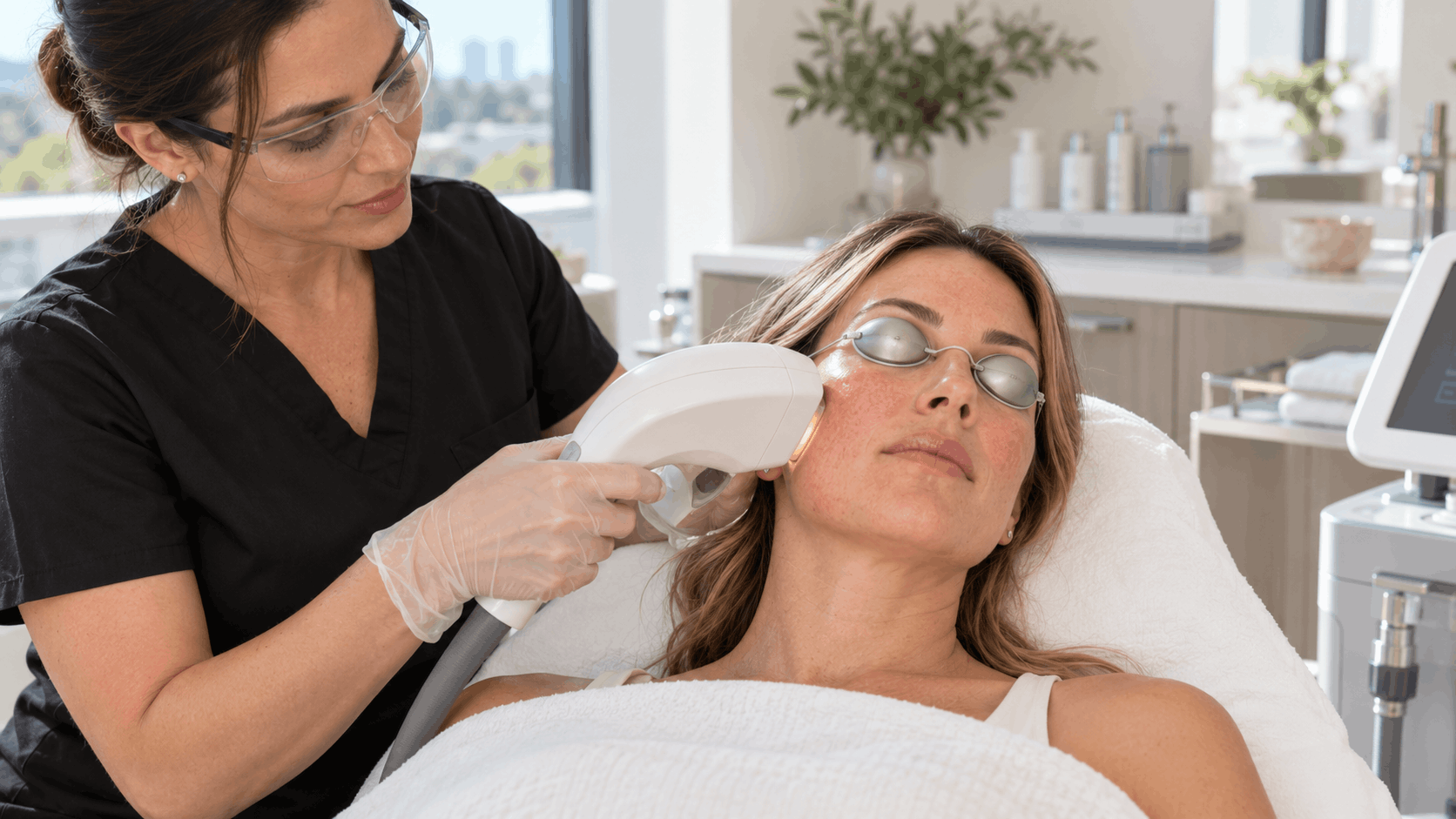
Keratosis pilaris can make otherwise healthy skin feel persistently rough, bumpy, and uneven. Often described as “chicken skin,” these tiny bumps commonly develop when keratin accumulates around hair follicles, and they can be stubborn even with regular moisturizing and exfoliation. If smoother body skin is the goal, HydraFacial Body for keratosis pilaris may be worth considering as part of a professional skincare routine.
At Skintastic Med Spa, we customize aesthetic treatments according to the condition of the skin and the results someone wants to achieve. That is particularly useful with concerns such as keratosis pilaris because rough texture, dryness, congestion, and visible bumps can overlap. Rather than attacking the skin with increasingly aggressive scrubs, professional treatment can focus on controlled exfoliation, cleansing, and hydration.
Can HydraFacial Body for keratosis pilaris permanently eliminate the condition? That is not a realistic promise, because keratosis pilaris can recur and generally requires ongoing management. What HydraFacial Body can offer is a professional approach to exfoliating, cleansing, and hydrating rough body skin, potentially making texture look and feel smoother while supporting a more consistent maintenance routine.
Jump To:
- TLDR Guide
- Detailed Breakdown
- What Is Keratosis Pilaris?
- How Does HydraFacial Body Work on Rough Skin?
- Can HydraFacial Body Get Rid of Keratosis Pilaris?
- Why Is Exfoliation Important for Rough, Bumpy Skin?
- Why Does Hydration Matter?
- Can You Have HydraFacial Body on Your Back?
- How Is HydraFacial Body Different From a Facial?
- Would a Deluxe HydraFacial Be Better?
- How Often Might You Need Treatment?
- What Can Affect Your HydraFacial Body Results?
- How Can You Maintain Smoother Skin Between Treatments?
- Key Takeaways
- FAQs
TLDR Guide
HydraFacial Body for keratosis pilaris can be useful when roughness, buildup, dryness, and uneven texture are the primary cosmetic concerns. The treatment brings HydraFacial-style cleansing, exfoliation, extraction, and hydration beyond the face, making it particularly relevant for areas where body skin needs more focused attention.
The quick guide:
- Keratosis pilaris commonly causes small, rough bumps around hair follicles.
- HydraFacial Body can exfoliate and hydrate rough body skin without relying on aggressive manual scrubbing.
- Removing surface buildup can make treated skin feel smoother and more refined.
- Hydration matters because dry skin can make rough texture appear more noticeable.
- One treatment should not be expected to permanently eliminate keratosis pilaris.
- Consistent treatment and appropriate home care may be more useful for recurring roughness.
- A back facial can be another option when congestion and difficult-to-reach areas are concerns.
- Professional assessment helps distinguish keratosis pilaris from other causes of bumps or irritation.
The goal is management, not magic. A thoughtful routine can improve the appearance and feel of rough skin without declaring war on it with a body scrub every night.
Detailed Breakdown
What Is Keratosis Pilaris?
Keratosis pilaris is a common skin condition associated with keratin buildup around hair follicles. The result is typically clusters of small bumps that can make the skin feel rough or sandpapery.
It frequently appears on areas such as the upper arms and thighs, although other body areas can also develop similar-looking texture. The bumps may be more noticeable when the surrounding skin is dry.
This matters because HydraFacial Body for keratosis pilaris is not intended to change your body’s underlying tendency to develop keratin buildup permanently. Instead, professional exfoliation and hydration can focus on the visible and tactile consequences: roughness, dryness, buildup, and uneven-looking texture.
How Does HydraFacial Body Work on Rough Skin?
A HydraFacial Body Treatment extends HydraFacial technology beyond the face to address body skin. The treatment combines steps such as cleansing, exfoliation, extraction, and hydration to improve the appearance and feel of the treated area.
That combination makes sense for rough skin because texture rarely benefits from exfoliation alone. Removing surface buildup while simultaneously supporting hydration provides a more balanced strategy than repeatedly scrubbing dry or sensitive skin.
For keratosis pilaris, the exfoliation component can help address accumulated surface cells while hydration can leave skin feeling smoother and more conditioned. Results vary, and treatment should be adjusted according to the sensitivity and condition of the area.
Can HydraFacial Body Get Rid of Keratosis Pilaris?
It is better to think in terms of improvement and management than a permanent cure.
HydraFacial Body may improve the appearance and feel of rough, bumpy skin through exfoliation and hydration. However, because keratosis pilaris has a tendency to recur, removing current surface buildup does not necessarily prevent new buildup from developing later.
This is where realistic expectations make a big difference. A successful treatment does not have to mean the bumps never return; success can mean smoother texture, better hydration, less noticeable roughness, and a maintenance plan that keeps the condition more manageable.
For someone considering HydraFacial Body for keratosis pilaris, consistency may therefore matter more than chasing a one-treatment fix.
Why Is Exfoliation Important for Rough, Bumpy Skin?
Keratosis pilaris involves excess keratin collecting around follicles, so controlled exfoliation can be useful for improving surface texture.
The key word is controlled.
It can be tempting to respond to bumpy skin by scrubbing harder. But rough skin does not necessarily need rough treatment, particularly when dryness or sensitivity is also present. Excessive mechanical exfoliation can leave skin feeling irritated rather than polished.
Professional exfoliation provides a more deliberate approach. Treatment intensity can be selected according to the skin rather than following the assumption that more pressure equals better results.
Why Does Hydration Matter?
Rough skin and dry skin are not necessarily the same thing, but they can make each other look worse.
When skin lacks hydration, its surface can appear duller and feel less smooth. Hydration therefore complements exfoliation by helping improve the overall feel and appearance of treated skin.
This principle is also central to HydraFacial for Glowing Skin, where cleansing, exfoliation, extraction, and hydration work together rather than treating each concern in isolation.
The same logic can be applied to body care. If you exfoliate rough skin but neglect hydration afterward, you may be addressing only part of what makes the area feel uneven.
Can You Have HydraFacial Body on Your Back?
Body skin can develop concerns in areas that are inconvenient to treat at home, and the back is a perfect example.
A Back Facial offers another professional option when the back is affected by congestion, buildup, or rough texture. A back-focused treatment can cleanse and exfoliate an area that is notoriously difficult to reach effectively with ordinary home skincare.
Which treatment makes more sense depends on the problem. Someone seeking broad body exfoliation and hydration may be interested in HydraFacial Body, while a person primarily concerned with back congestion may benefit from a treatment specifically focused on that area.
The fact that both exist is useful—not redundant. “Rough skin” can describe several different concerns, and treatment should reflect what is actually causing the texture.
How Is HydraFacial Body Different From a Facial?
Our Facials are customized around concerns such as dullness, acne, hydration, aging, and overall skin health. HydraFacial Body applies related skincare principles to areas beyond the face, where texture, congestion, dryness, and buildup can also become concerns.
The treatment areas may be different, but the underlying strategy is familiar: assess the skin, cleanse appropriately, exfoliate without unnecessary aggression, provide hydration, and create a maintenance plan based on how the skin responds.
This also means body skincare deserves more thought than whatever lotion happens to be closest after a shower. The skin below the neck can develop its own recurring concerns and may benefit from professional care too.
Would a Deluxe HydraFacial Be Better?
A Deluxe HydraFacial is another option within the HydraFacial family, but “deluxe” does not automatically mean “better for every concern.”
Treatment selection should begin with the area and goal. If roughness or keratosis pilaris is affecting the body, a body-focused HydraFacial treatment is logically more relevant than selecting a facial service simply because it includes additional enhancements.
Conversely, someone whose main concerns involve facial hydration, congestion, texture, or radiance may benefit from a facial HydraFacial option.
The useful question is not which treatment has the longest menu description. It is which treatment actually addresses the skin you want to improve.
How Often Might You Need Treatment?
There is no universal HydraFacial Body schedule that should be promised for every case of keratosis pilaris. The appropriate frequency depends on the severity of roughness, skin sensitivity, treatment area, response, and home routine.
The broader principle behind why regular facials are essential for skin health and how often you should book them is relevant here: professional skincare tends to work best as part of an ongoing strategy rather than something reserved exclusively for emergencies.
Keratosis pilaris can recur, so periodic maintenance may make more sense than expecting one exfoliating treatment to permanently change the way the skin behaves. Your treatment frequency can then be adjusted according to results.
What Can Affect Your HydraFacial Body Results?
Several factors can influence how HydraFacial Body for keratosis pilaris performs and how long smoother-looking skin remains noticeable:
- The severity of existing roughness and buildup
- How dry or sensitive the treated skin is
- The location and size of the treatment area
- Your skin’s tendency to develop recurring keratin buildup
- The frequency of professional treatments
- Your home skincare routine
- How consistently you moisturize and care for the area
- Whether the bumps are actually keratosis pilaris or another skin concern
That last point is particularly important. Not every cluster of bumps is keratosis pilaris, and persistent, painful, inflamed, itchy, or unexplained skin changes may need appropriate medical evaluation rather than assuming exfoliation is the answer.
How Can You Maintain Smoother Skin Between Treatments?
Professional treatment can do useful work, but your routine between appointments matters too.
Avoid treating roughness as permission to aggressively scrub the area every day. Instead, follow the personalized skincare recommendations provided for your skin, keep the area appropriately moisturized, and be consistent rather than constantly changing products.
Pay attention to irritation as well. If a product leaves the area persistently red, uncomfortable, or increasingly sensitive, “pushing through” is not automatically productive.
The best routine is usually the one you can maintain comfortably. For keratosis pilaris, steady care tends to make considerably more sense than alternating between neglect and an exfoliation frenzy.
Key Takeaways
HydraFacial Body for keratosis pilaris may help improve the appearance and feel of rough, bumpy skin by combining professional exfoliation with cleansing and hydration. It should be viewed as a management strategy rather than a permanent cure, particularly because keratosis pilaris can recur as keratin continues accumulating around follicles.
The most important points are:
- Keratosis pilaris commonly creates small, rough bumps around hair follicles.
- HydraFacial Body brings professional cleansing, exfoliation, extraction, and hydration to body skin.
- Controlled exfoliation can help improve rough surface texture.
- Hydration can support smoother, healthier-looking skin after exfoliation.
- Aggressive scrubbing is not necessarily better for bumpy skin.
- One treatment should not be expected to permanently prevent keratosis pilaris from returning.
- Regular professional care and consistent home skincare may help maintain smoother-looking skin.
- Other body treatments may be more appropriate when congestion or another concern is responsible for the texture.
- Persistent or unusual bumps should be properly evaluated rather than automatically treated as keratosis pilaris.
The goal is not perfectly poreless body skin. It is healthier-looking, smoother-feeling skin and a realistic routine for keeping recurring roughness under better control.
FAQs
Can HydraFacial Body help keratosis pilaris?
HydraFacial Body may help improve roughness associated with keratosis pilaris through professional exfoliation, cleansing, and hydration. These steps can make bumpy skin feel smoother and look more refined, although individual results vary. The treatment should be considered a way to manage visible texture rather than a guaranteed permanent cure.
How many HydraFacial Body treatments are needed for keratosis pilaris?
There is no single treatment number appropriate for everyone with keratosis pilaris. Frequency can depend on the severity of roughness, treatment area, skin sensitivity, home care, and how your skin responds. A personalized plan can determine whether occasional or more consistent maintenance makes sense.
Will keratosis pilaris come back after a HydraFacial Body treatment?
It can, because HydraFacial Body does not permanently change the underlying tendency for keratin to accumulate around follicles. Professional exfoliation and hydration may improve the current texture, but new roughness can develop over time. Consistent home care and periodic professional treatment may help keep the condition more manageable.
Is HydraFacial Body good for rough skin even without keratosis pilaris?
Yes, body skin can become rough or uneven for reasons other than keratosis pilaris. A treatment focused on cleansing, exfoliation, extraction, and hydration may improve the feel and appearance of appropriate areas of rough skin. A professional assessment can help determine what is causing the texture before choosing treatment.
Should I scrub keratosis pilaris between HydraFacial Body appointments?
Aggressively scrubbing bumpy skin is not necessarily helpful and may leave sensitive skin more irritated. A gentler, consistent routine with appropriate exfoliation and hydration is generally a more sensible approach to maintaining smoother-looking skin. Follow the home-care recommendations provided for your skin rather than assuming stronger or more frequent exfoliation will produce faster results.